




Spring break is the perfect chance to unwind, see new places, and enjoy time with the people you care about. Whether you’re driving to a nearby beach, flying somewhere sunny, or planning a quiet getaway, keeping safety in mind can help you avoid unnecessary injuries or stressful situations.
As personal injury attorneys, we tend to hear from more travelers during and after spring break who ran into trouble they never expected. Many of these incidents could have been prevented with a bit of preparation and awareness. By staying alert and making thoughtful choices, you can keep your trip running smoothly from start to finish.
Stay Alert When Driving
The roads usually get busier during spring break, which naturally increases the risk of accidents. Long drives, unfamiliar routes, and late-night travel all contribute to unsafe conditions.
Before you hit the road, map out your route and schedule breaks along the way. Driving while tired can be just as hazardous as driving impaired, so make rest a priority. If you’re traveling with others, share driving responsibilities and avoid night driving when fatigue is more likely to set in. It’s also wise to keep your phone out of reach so you’re not tempted to check messages or notifications while behind the wheel.
Keep Your Lodging Secure
Your hotel, rental home, or resort should feel like a safe retreat, but accidents and theft can happen anywhere. A few small precautions can help keep you, your belongings, and your space protected.
Always lock your doors and windows, whether you’re inside or out exploring. Avoid sharing your room number publicly or posting it online. Use the in-room safe for valuables such as your ID, credit cards, and electronics. If you own a portable door alarm, this added layer of security can help you rest easier at night.
Accidents on the property—such as broken stairs, loose railings, or poorly lit walkways—can lead to injuries. If something happens, report it to the property staff immediately and note details of the incident.
Be Cautious Around Water
Many spring break vacations involve lakes, pools, or beaches. While water activities are fun, they can quickly become dangerous if safety isn’t top of mind.
If you’re boating, jet skiing, or participating in other water sports, always wear a life jacket. Avoid swimming after drinking alcohol, as many water-related injuries occur when judgment or coordination is impaired. If your lodging includes a pool, ensure that access points are secure when not in use. Families with young children should double‑check that gates latch properly and stay closed at all times.
Before venturing out to the ocean or lake, check the weather and water conditions. Spring weather can shift suddenly, and being prepared can prevent a risky situation.
Use a Buddy System or Keep Someone Informed
Exploring new places with friends is usually safer than going solo, but even groups need a plan. A buddy system is a simple way to stay organized and avoid getting separated in crowded areas.
Pair up so each person has someone they stay connected with throughout the day. Choose a designated meeting spot in case anyone gets lost or turned around. If you’re traveling by yourself, share your plans with someone back home and check in regularly. Trust your instincts—if something doesn’t feel right, remove yourself from the situation.
Be Mindful of What You Share Online
It can be tempting to post photos and updates while you’re away, but real‑time sharing can unintentionally signal that your home is empty. This can make you a target for break‑ins.
Consider waiting until you’re back home to share your trip highlights. If you do post while traveling, avoid giving precise location details or broadcasting your travel schedule. A little online privacy can go a long way toward keeping you safe.
Know What to Do If an Injury Happens
Even with careful planning, accidents can still occur. If you get hurt during your vacation, the key is to stay calm and take the proper steps to protect yourself.
Document the scene by taking photos of the area, your injuries, and anything that contributed to the incident. If there were witnesses, gather their names and contact information. Make sure to see a doctor, even if the injury feels minor—some symptoms don’t appear right away, and medical records are important if you decide to pursue a legal claim later.
As soon as you can, contact a personal injury attorney. They can help you understand your rights, explain your next steps, and determine whether you may be entitled to compensation.
Prepare Before Your Trip Begins
A little advance planning can help you avoid big problems while traveling. Make copies of vital documents like your ID, emergency contacts, and travel insurance. Store copies digitally and on paper so you can access them if needed. For international trips, look up local emergency numbers and locate the nearest U.S. embassy or consulate.
Travel insurance is also something to consider, especially if you’re flying internationally or taking part in adventurous activities. It may help cover unexpected expenses including medical emergencies, trip cancellations, lost baggage, or legal assistance.
Enjoy Your Trip While Staying Aware
Spring break should be a chance to relax, recharge, and make great memories—not to deal with preventable injuries or legal challenges. By taking simple steps like planning your drive, securing your accommodations, being careful around water, staying connected with others, and limiting what you share online, you can have a safer and more enjoyable vacation.
If something does go wrong, remember that support is available. We’re here to help guide you through what comes next and make sure you understand your options. Wishing you a safe, fun, and memorable spring break.

What Families Need to Know About Preventable Birth Injuries in Illinois

Fireworks Safety Month Risks And Liability Explained

Should You Consider a Dash Cam for Safer Illinois Driving

Understanding Workplace Sexual Harassment and Your Rights in Illinois
The Silent Crisis in Healthcare: Understanding Medical Errors

Why Relying on AI Instead of an Attorney for Legal Matters Is Risky (and What You Should Do Instead)
Read more
Why It’s Never Okay for a Supervisor to Use Sex, Power, or Fear Against an Employee — And How the Law Protects You
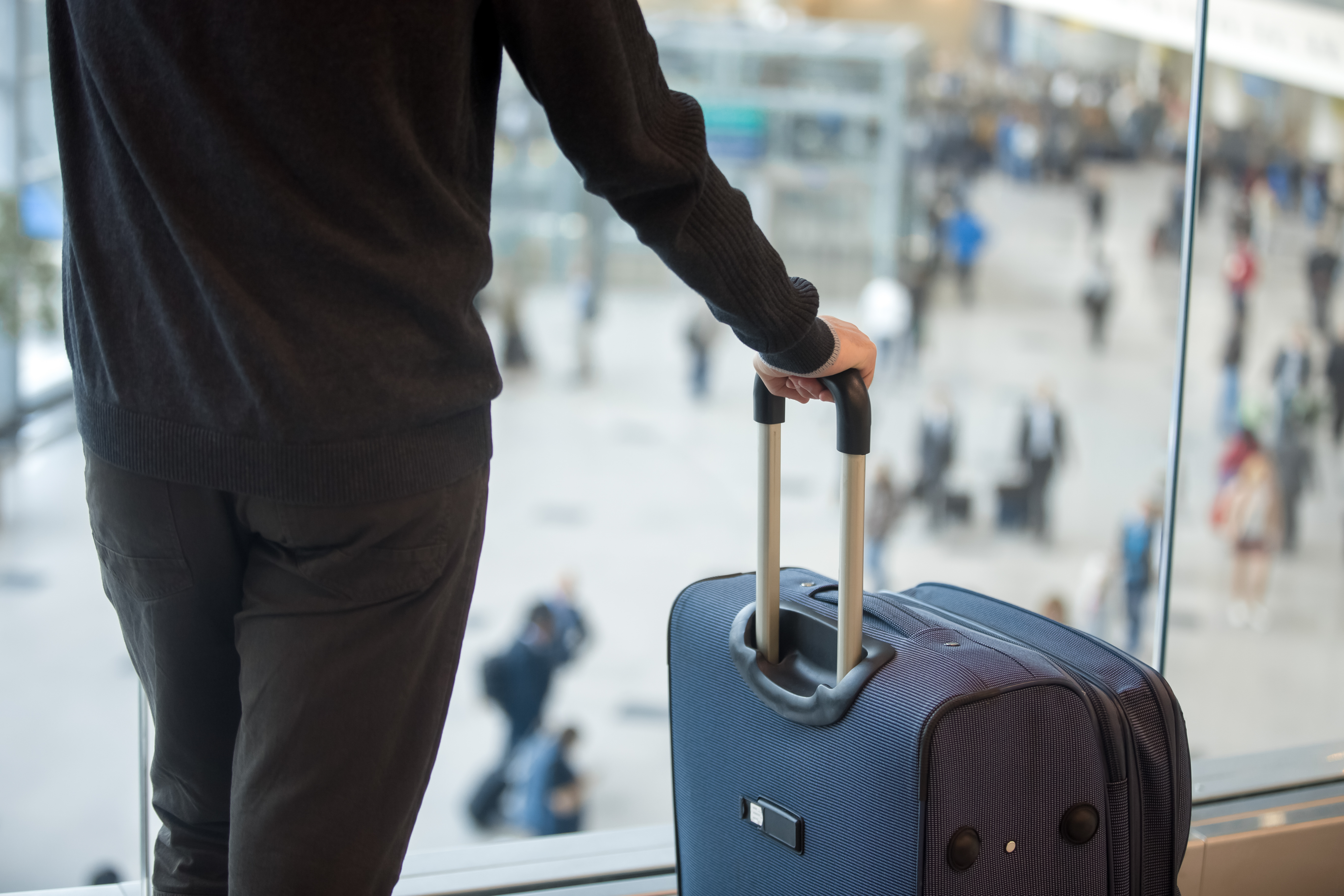
Spring Break Safety Tips: Simple Ways to Protect Yourself on Vacation

Understanding Diagnostic Errors in Medical Malpractice Cases

Understanding What Workplace Injuries Are Covered by Workers’ Compensation in Illinois

When Surgical Errors Become Medical Malpractice Cases in Illinois
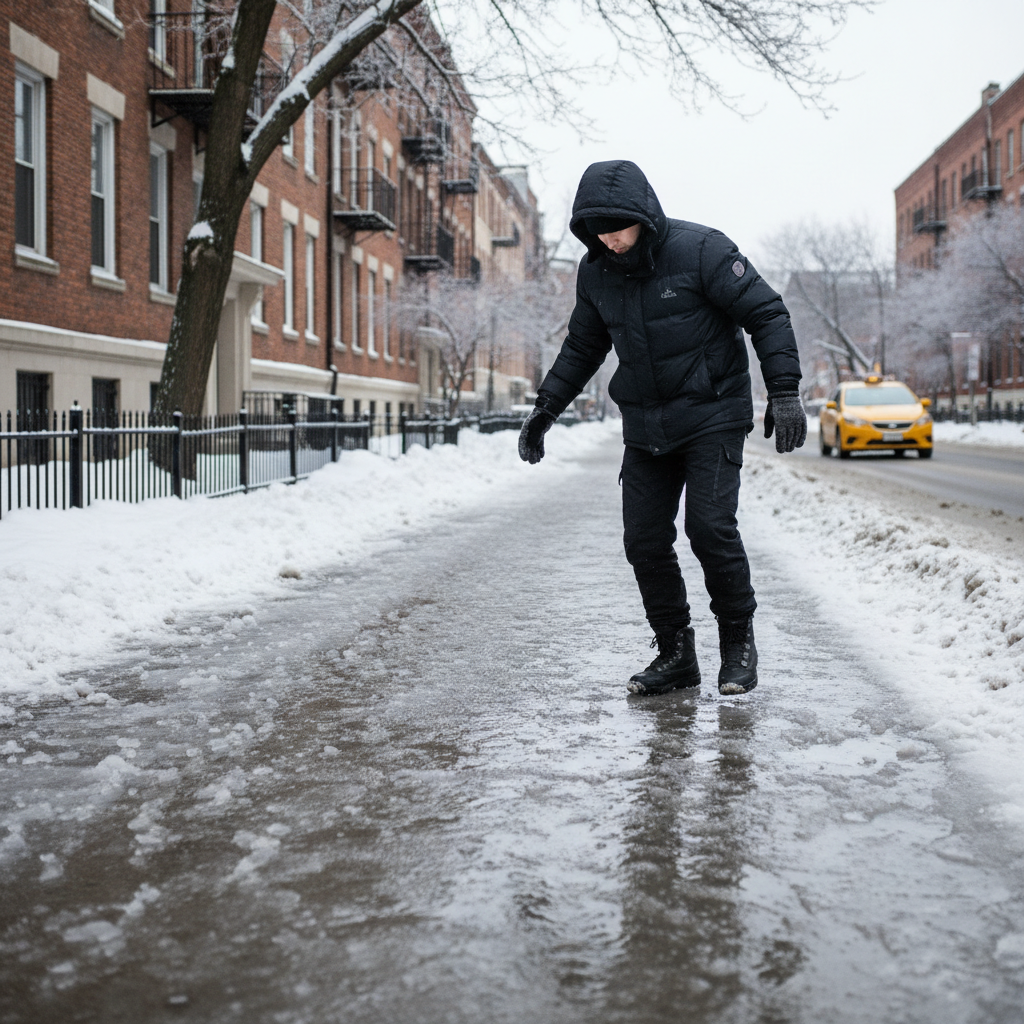
When a Winter Slip and Fall Becomes a Personal Injury Case

When to Take Legal Action After a Dog Bite

Pedestrian Safety Tips for Darker Winter Days

Why Truck Accident Cases Are More Complicated — And How We Help
Understanding Key Types of Workers' Compensation

Construction Injuries: Seeking Justice for the Negligently Hurt

Medical Errors!!

What to Do Right After a Car Accident

Rideshare Passengers: Steps to Take if You’re in a Crash
Read more