




Quick Summary
Halloween can create stressful conditions for dogs: unfamiliar costumes, masks, frequent doorbells, and a steady stream of strangers at the door. If a dog bites a trick-or-treater, Illinois law may hold the owner liable even if the dog has never bitten anyone before, so long as the injured person was peaceably and lawfully present and did not provoke the animal.
Why Halloween Can Feel Threatening to a Dog
For children and families, trick-or-treating is a neighborhood tradition filled with costumes, decorations, and quick visits from house to house. For a dog inside the home, however, Halloween may be confusing and overwhelming.
Dogs often rely on familiar sights, scents, voices, and routines. A child dressed as a ghost, superhero, monster, or character with oversized clothing may not look or move like a person the dog recognizes. Masks can hide facial expressions, create unfamiliar shapes, and change the sound of a child’s voice. Flowing capes, bright lights, props, and sudden movements can add to the uncertainty.
Then there is the doorbell. On most days, a dog may hear it once or twice. On Halloween, it may ring repeatedly for hours. Each ring can trigger barking, excitement, territorial behavior, or fear. A normally calm dog may become increasingly agitated as unfamiliar visitors approach the front door again and again.
That does not mean every dog will react aggressively. It does mean that pet owners should plan ahead rather than assume their dog will tolerate an unusually busy evening. A bite can happen in seconds when a frightened or overstimulated dog rushes through an opening door, is brought outside to greet visitors, or is approached by a child who does not realize the animal is distressed.
Illinois Dog-Bite Liability in Plain Language
Illinois has a strong dog-bite statute, commonly called the Illinois Animal Control Act. Under 510 ILCS 5/16, an owner may be liable for injuries when a dog attacks, attempts to attack, or injures someone without provocation, provided that the injured person was peaceably conducting themselves in a place where they had a lawful right to be.
In practical terms, a person injured by a dog does not necessarily need to show that the owner knew the dog had bitten before. They also may not need separate proof that the owner was careless in the usual negligence sense. The legal questions often focus on the circumstances: Was the person lawfully present? Were they acting peaceably? Did they provoke the dog? Who owned or controlled the animal?
Every situation has its own facts, and legal defenses or insurance issues can affect a claim. Still, Illinois law does not generally give a dog owner a free pass simply because the dog had no prior history of biting.
Eftekhari Law Office helps injured people in Evanston, Chicago, and throughout Cook County understand how these rules may apply after an animal attack. Families dealing with a serious injury can speak with our dog bite attorneys
about the facts of their situation and the available next steps.
Are Trick-or-Treaters Lawfully Present?
A child who walks up to a home that is openly welcoming trick-or-treaters will generally be lawfully present. A lit porch light, Halloween decorations, candy distribution, or an open approach to visitors can all support the common-sense understanding that neighborhood children are invited to come to the door for candy.
That said, details matter. The condition of the property, posted warnings, the child’s actions, whether the visitor went beyond the customary path to the front door, and what happened immediately before the bite can all be important. The same is true when an adult accompanies a child or when a dog bite occurs in a shared apartment hallway, on a porch, or near a front gate.
Parents should not feel that asking for help after a bite is unfair to a neighbor. The purpose of a claim is often to secure resources for medical care and the consequences of an injury. An experienced Evanston personal injury lawyer can review the specific circumstances without making assumptions about fault.
Why Insurance Often Handles Dog-Bite Claims
Many dog-bite claims are paid through homeowners or renters insurance, rather than directly from the dog owner’s personal funds. Coverage varies widely by policy. Some insurers limit coverage, exclude particular dog-related claims, or require a close review of how and where the incident occurred. Even so, insurance is often the source of compensation for medical bills, treatment needs, lost income for an injured adult, and other covered losses.
Understanding this can ease a concern that prevents many families from seeking guidance. A legal review is not about punishing a neighbor or presuming the worst. It is about identifying coverage, preserving information, and evaluating whether the injured person has a claim under Illinois law.
Eftekhari Law Office takes a careful, client-centered approach to injury claims. For severe dog bites involving permanent scarring, nerve damage, or emotional trauma, early guidance can help families understand what documentation may be needed and what insurance questions should be addressed.
How Dog Owners Can Help Prevent Halloween Bites
The safest Halloween plan is often the simplest: keep dogs securely away from the front door and from trick-or-treaters. Even friendly dogs can be startled by costumes, noise, and rapid activity.
- Place the dog in a separate, quiet room before trick-or-treating begins.
- Use a secure door, gate, or crate appropriate for the dog, with water and familiar comforts available.
- Turn on calming background sound, such as a television or music, to reduce the impact of repeated doorbells.
- Have one adult distribute candy while another checks that the dog remains safely separated.
- Do not require a nervous dog to greet costumed visitors or pose for photos at the door.
- Consider leaving candy outside in a supervised, clearly accessible location if opening the door will create too much excitement.
Parents can also remind children not to pet, hug, tease, or reach toward dogs they do not know. Children should give any dog space, particularly around a busy doorway. These precautions can protect visitors, pets, and homeowners alike.
What to Do Immediately After a Dog Bite
After a dog bite, health and safety come first. Move away from the animal and seek medical care promptly, especially for puncture wounds, bites to the face or hands, deep wounds, significant bleeding, or any bite involving a child. Even injuries that appear minor can require medical evaluation because of infection risk and tissue damage.
If it is safe to do so, take photographs of the injury, damaged clothing, and the location. Get the dog owner’s name, contact information, and insurance information if they are willing to provide it. Write down what happened while the details are fresh, including the time, location, witnesses, whether the door was opened for trick-or-treaters, and any statements made after the incident.
Report the bite to local animal control so the incident and the dog’s vaccination status can be properly documented. In Evanston, Chicago, and other Cook County communities, local reporting procedures may differ, so contact the appropriate animal control authority or local health department. Keep copies of medical records, bills, photographs, and any correspondence from an insurer.
When a Legal Review May Be Helpful
Not every bite will lead to a lawsuit, and a legal consultation does not obligate a family to pursue a claim. However, a prompt review can be especially important when a bite causes stitches, infection, surgery, visible scarring, nerve symptoms, lasting pain, emotional trauma, missed work, or substantial medical expenses.
Dog bites can be particularly difficult for children, who may need ongoing medical care or support as they recover from the physical and emotional impact. Serious injuries deserve thoughtful attention without alarmism. If you are unsure when it’s time to take legal action, learning about your options can help you make an informed decision.
If you or your child was injured by a dog in Evanston, Chicago, or Cook County, Eftekhari Law Office is available to discuss the circumstances in a free consultation. Call (312) 283-0905 to talk through the situation and learn whether a legal review may be appropriate.
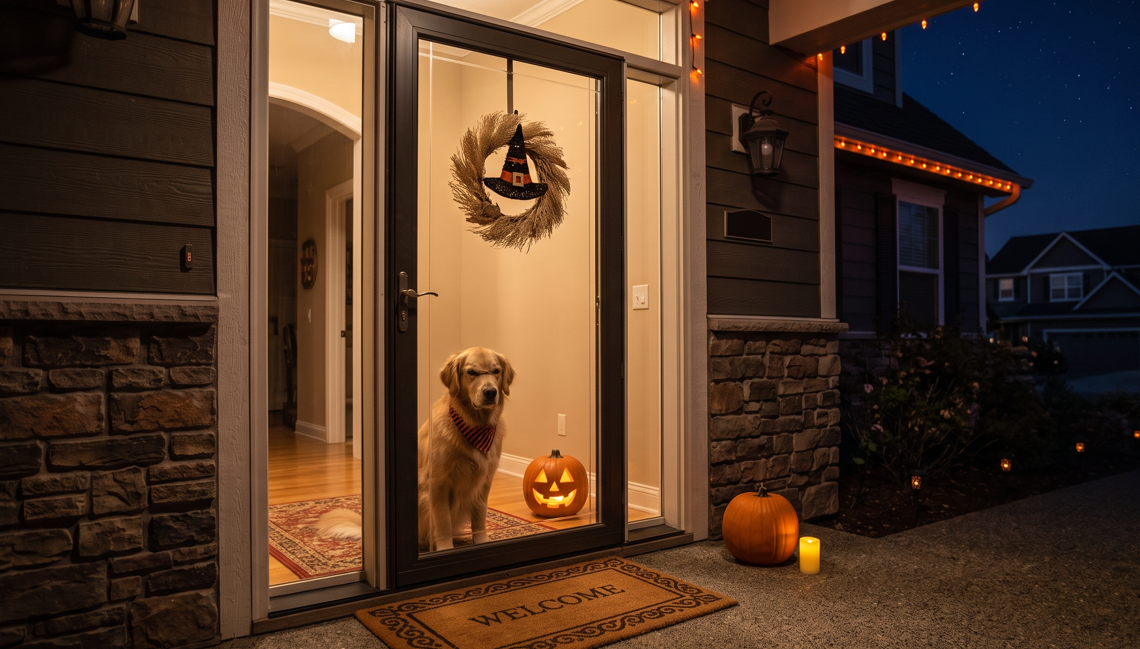
Dog Bite Liability in Illinois: What Trick-or-Treaters and Their Parents Should Know
Bicycle Accidents in Chicago and Evanston: Who’s Liable When a Driver Hits a Cyclist
Motorcycle Accidents: What Injured Riders in Illinois Need to Know
What Families Need to Know About Preventable Birth Injuries in Illinois

Fireworks Safety Month Risks And Liability Explained

Should You Consider a Dash Cam for Safer Illinois Driving

Understanding Workplace Sexual Harassment and Your Rights in Illinois
The Silent Crisis in Healthcare: Understanding Medical Errors
Why Relying on AI Instead of an Attorney for Legal Matters Is Risky (and What You Should Do Instead)
Read more
Why It’s Never Okay for a Supervisor to Use Sex, Power, or Fear Against an Employee — And How the Law Protects You
Spring Break Safety Tips: Simple Ways to Protect Yourself on Vacation

Understanding Diagnostic Errors in Medical Malpractice Cases

Understanding What Workplace Injuries Are Covered by Workers’ Compensation in Illinois

When Surgical Errors Become Medical Malpractice Cases in Illinois
When a Winter Slip and Fall Becomes a Personal Injury Case

When to Take Legal Action After a Dog Bite

Pedestrian Safety Tips for Darker Winter Days

Why Truck Accident Cases Are More Complicated — And How We Help
Understanding Key Types of Workers' Compensation

Construction Injuries: Seeking Justice for the Negligently Hurt

Medical Errors!!

What to Do Right After a Car Accident

Rideshare Passengers: Steps to Take if You’re in a Crash
Read more